Krill Server Node
Set up a Krill server on a Raspberry Pi or Linux host to manage GPIO pins, serial devices, sensors, and automation across your network.
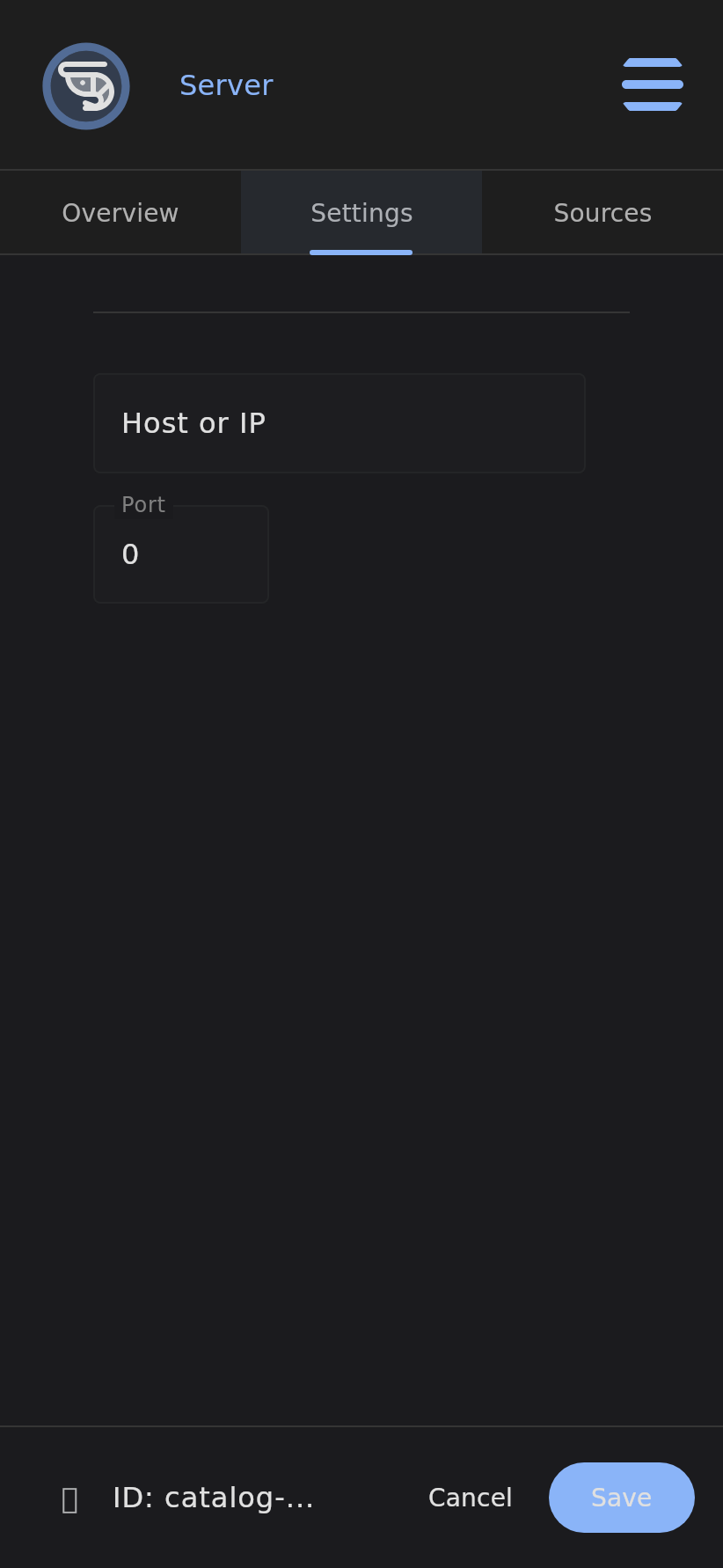
A Server node represents a Krill server instance running on a Raspberry Pi or Debian-based Linux host. It manages data points, executes automation, and handles device communication. When local it starts a network beacon to advertise itself; when remote it connects over HTTPS. It is the root container for child nodes — GPIO pins, peer connections, LLM integration, and serial devices.
Info: A Server node is usually auto-discovered on your network via its beacon, or added manually by host and port. It is the structural root for everything that host owns.
Overview
Every Krill swarm is a mesh of servers and the Client apps that view them. The Server node is how a single host appears in that mesh: a Raspberry Pi in your garage, a Linux box in a rack, or a remote machine you connect to over HTTPS. Hardware and service nodes hang beneath it, so the Server node is where you go to see and organize everything that host can do.
How It Works
graph TD
    A[Krill Server node] --> B[GPIO Pins]
    A --> C[Serial Devices]
    A --> D[Peers]
    A --> E[LLM]
    A --> F[Data Points]
    A -. local .-> G[Network beacon advertises server]
    A -. remote .-> H[Connect via HTTPS]
- Local server: starts a beacon that advertises the host so client apps and peers can discover it automatically.
- Remote server: connects to an existing Krill instance over HTTPS using its hostname, port, and API key.
- Container: holds and manages the host’s child hardware and service nodes, and stores the server’s identity and configuration.
Configuration
| Field | Description |
|---|---|
hostname | Network host of the server |
port | Server port (default 50051) |
apiKey | Credential used to authenticate a remote connection |
platform | Host platform (Raspberry Pi, desktop Linux, …) |
Child Nodes
Examples
- Connect to the Raspberry Pi on my network.
- Show the GPIO pins on this server.
- Add a new Krill server at 192.168.1.10.
Related
Last verified: 2026-05-21